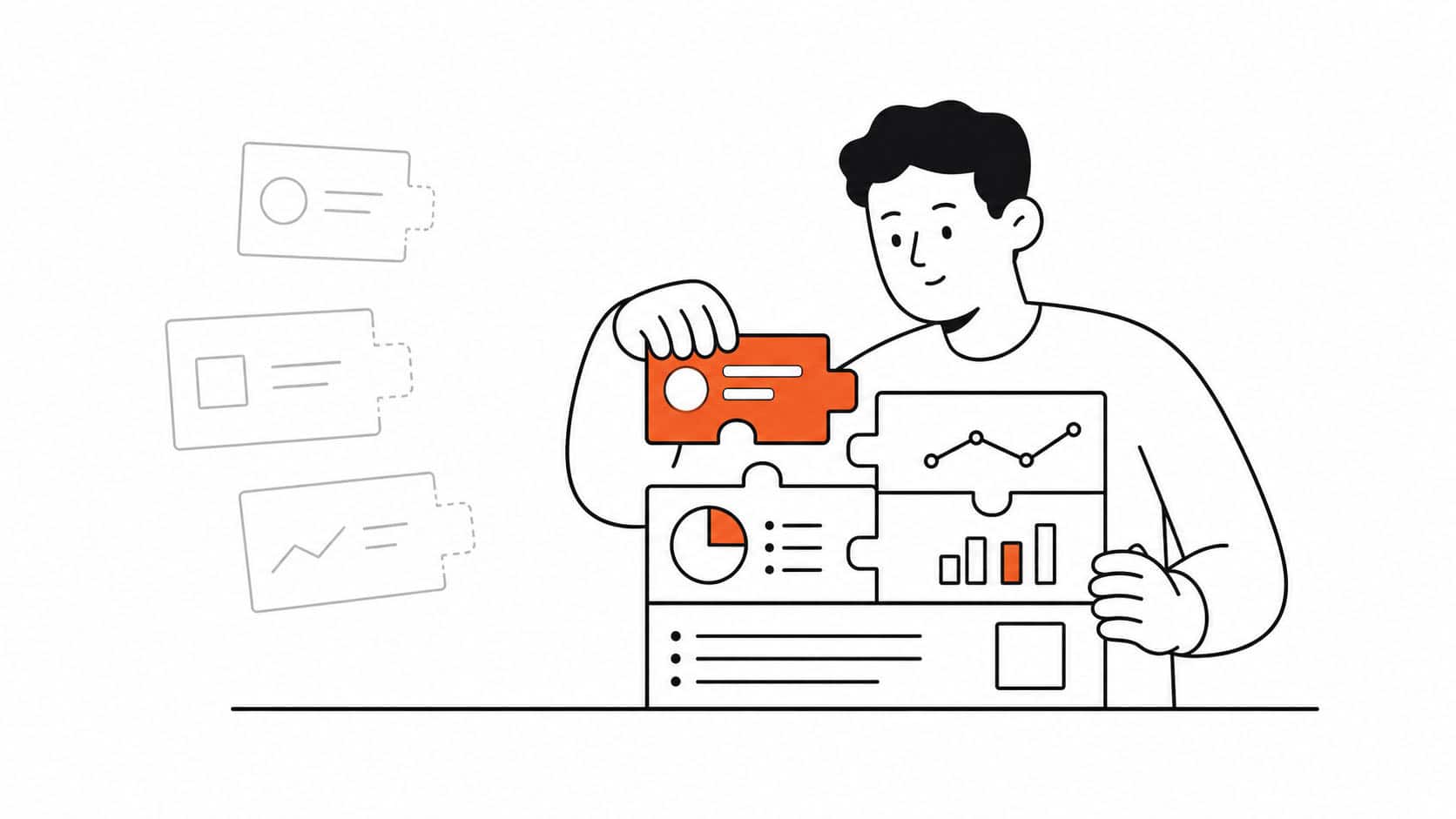
Look at any company’s card statement and count the software charges. A project tool here, a CRM there, an audit tracker, a notes app, a thing someone signed up for two years ago that nobody remembers. Each one feels small. Together they’re one of the biggest line items nobody questions.
For a long time that was just the cost of doing business. If you wanted software, you bought it, because the alternative, to build your own tools, meant hiring developers you couldn’t afford. That math has changed. One person with AI can now build a real, working internal tool in the time it used to take to compare three vendors and book a demo.
I know because I did it. The tool is called Nucleus, and it’s why I stopped reaching for a subscription every time my team hit a gap.
What Nucleus actually is
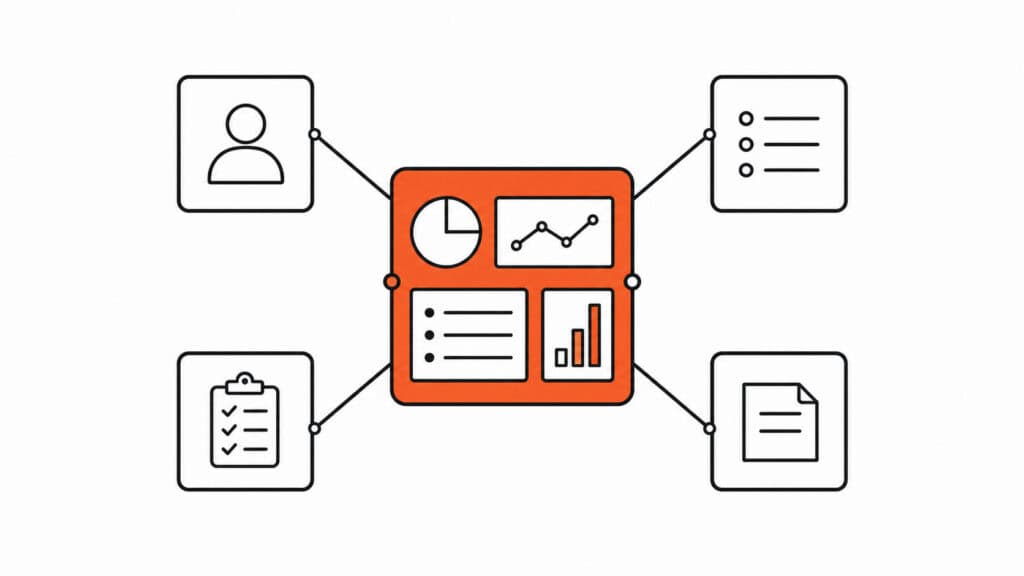
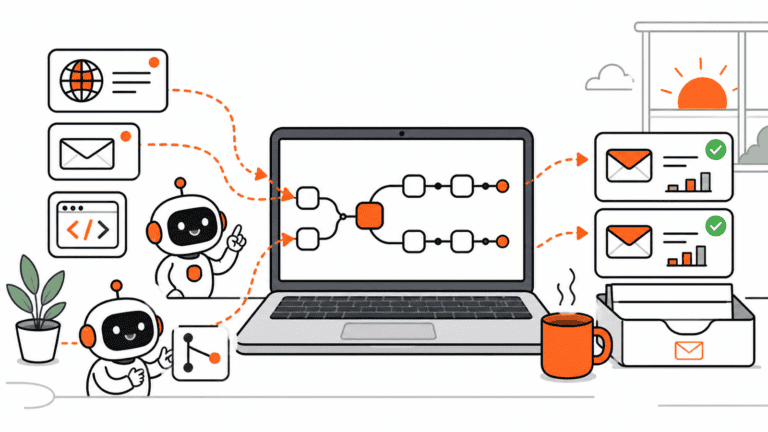
Nucleus is my internal command center. One login, and my team lands in a single dashboard that holds the tools we actually use instead of bouncing between five separate apps.
Right now it does a handful of things:
- Master admin and user management, so I control who gets access to what
- A slug-based tool registry, where each tool lives as its own module inside the same shell instead of launching a pile of external links
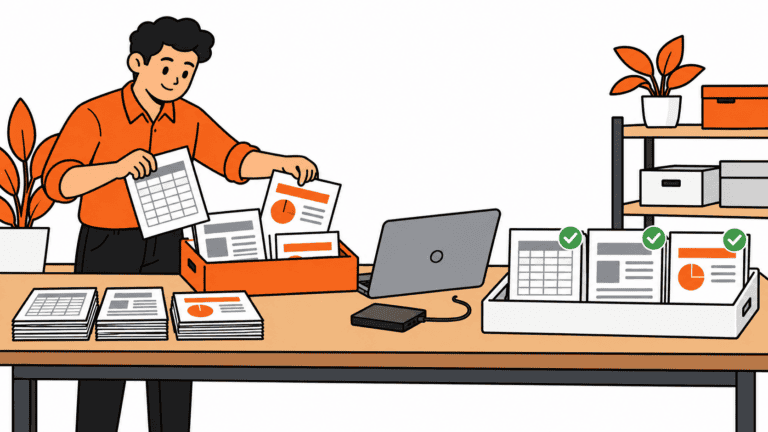
- The Monthly User Audit, once a manual slog across systems, now a native module with Excel import and export
- Meeting Notes, which pulls my Krisp meeting transcripts in automatically, then lets me rename them, tag them with shared color-coded labels, and filter by date
- ScratchPad, my own note-taking and jotting tool with a kanban view for prioritizing what matters, and autosave on everything so nothing ever gets lost
The audit piece is the one that sold me. That used to be an hour of clicking through separate admin panels, copying access lists, and reconciling them by hand every month. Now it’s a tab. That hour is gone for good, and it’s gone because I built the exact thing I needed instead of forcing my problem into someone else’s product.
It’s a React app backed by Supabase and deployed on Vercel. Nothing exotic. The point isn’t the stack, it’s that the stack is now within reach for a regular ops person who’s willing to learn.
The honest part nobody puts in the sales pitch
Building your own isn’t free. You trade the monthly fee for setup time, maintenance, and the occasional evening of figuring out why something broke. When a SaaS app goes down, you file a ticket. When Nucleus goes down, the ticket is me.
So this isn’t “cancel everything.” Some tools are worth paying for, especially the ones doing genuinely hard things you’d never want to own. The shift I’m describing is narrower: knowing when to build your own tools and when to keep paying. It’s the small, single-purpose apps. The $15-a-month tool that does one thing you could now build in a weekend. Those are the ones I stopped renewing. If you’d rather not start from scratch, plenty of open-source tools already replace expensive software too.
A good test: if the whole product is basically a form, a table, and a couple of rules, you can probably build it. If it’s doing something deep, regulated, or genuinely complex, keep paying.
The bold prediction
Here’s where I’ll stick my neck out. In the next three to five years, a chunk of the small SaaS market disappears.
This isn’t just me being contrarian. Early 2026 already gave us a preview. In a single week in February, roughly a trillion dollars in enterprise software value vanished in what people started calling the “SaaSpocalypse.” The trigger was the realization that AI lets customers reduce seats or rebuild tools internally instead of paying per user forever. Harvard Business School’s Christopher Stanton put the logic plainly: before AI coding tools, almost no buyer could build a comparable product in-house. Now plenty can.
I don’t think every SaaS company dies. That part of the panic is overblown. Nvidia’s Jensen Huang called the “software is dead” narrative one of the most illogical things he’d heard, and he’s right that the big systems of record aren’t going anywhere. The companies sitting on real moats, proprietary data, deep workflows, network effects, are fine.
But the thin ones are exposed. The single-feature apps with per-seat pricing and no real defensibility were already living on the gap between “this is annoying to build” and “just pay us instead.” AI is closing that gap fast. When the build cost drops low enough, that whole pricing model stops making sense.
My honest guess on the timeline: the obvious, replaceable tools start bleeding customers within two years. By year five, a lot of the “$15 a month for one feature” tier is either gone, absorbed into bigger platforms, or repriced so hard you wouldn’t recognize the business.
Should you build your own tools?
You don’t need to become a developer. You need to get comfortable asking a simple question before the next renewal: could I just build this?
Most of the time the answer is still no, and that’s fine. But it’s “no” a lot less often than it was a year ago. The first time you replace a recurring charge with something you built yourself, the math stops being abstract. You stop seeing those subscriptions as fixed costs and start seeing them as choices.
That’s the real shift. Not that SaaS is dead, but that buying it finally became optional, because now you can build your own tools whenever it makes more sense than renting them.