Operations AI is changing jobs, but not in the scary way people usually talk about it.
AI is not walking into a company tomorrow and running operations by itself. But it is already very good at the parts of operations that are repetitive, rule-based, and easy to check. If your day is mostly copying data, summarizing emails, updating CRM fields, or rewriting the same status report every week, that part of the job is going to shrink.
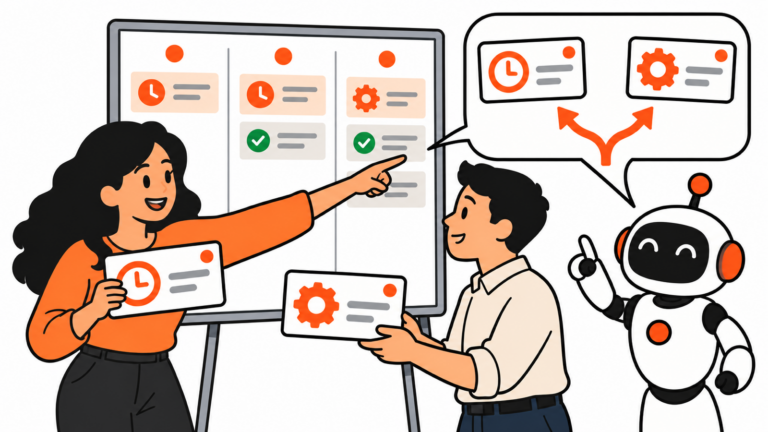
That does not mean operators are useless. It means the value moves from doing every task manually to designing the workflow, checking the output, and handling the exceptions.
What Operations AI Can Already Help With
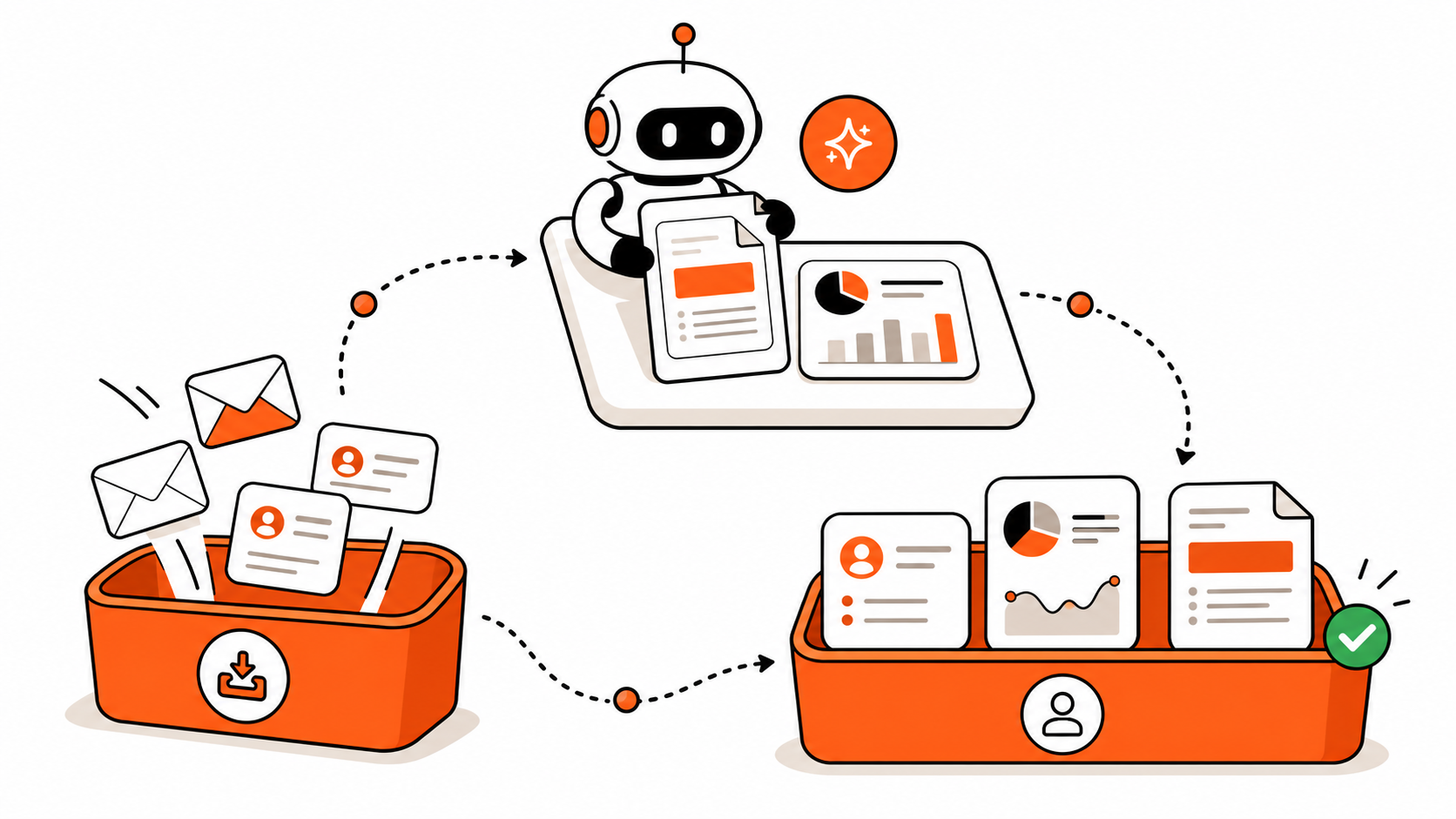
In real operations work, Operations AI is useful when the input is clear and the risk is controlled. A few examples:
- Summarizing a long customer email thread before a follow-up.
- Turning meeting notes into a first draft of an SOP.
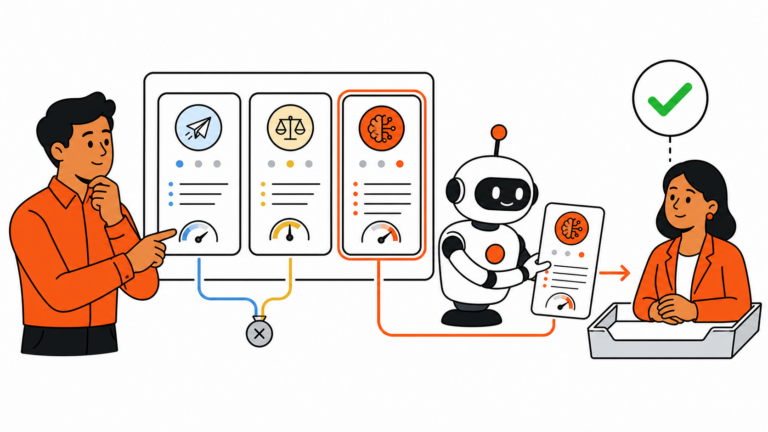
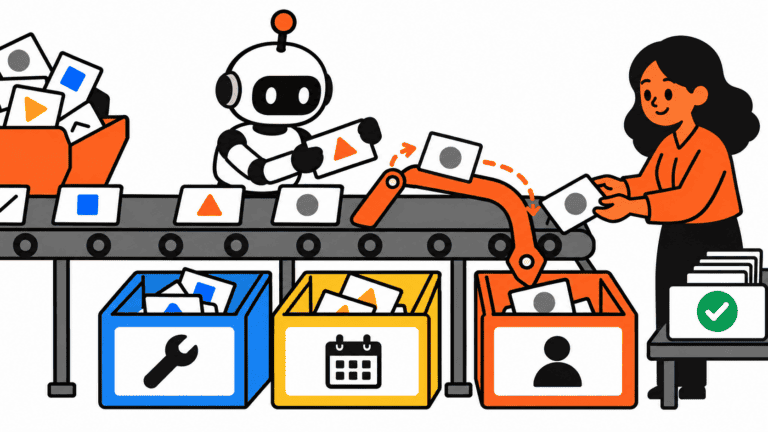
- Classifying inbound requests by urgency, department, or next action.
- Drafting weekly reporting notes from clean dashboard data.
- Preparing CRM updates from a form, call note, or support ticket.
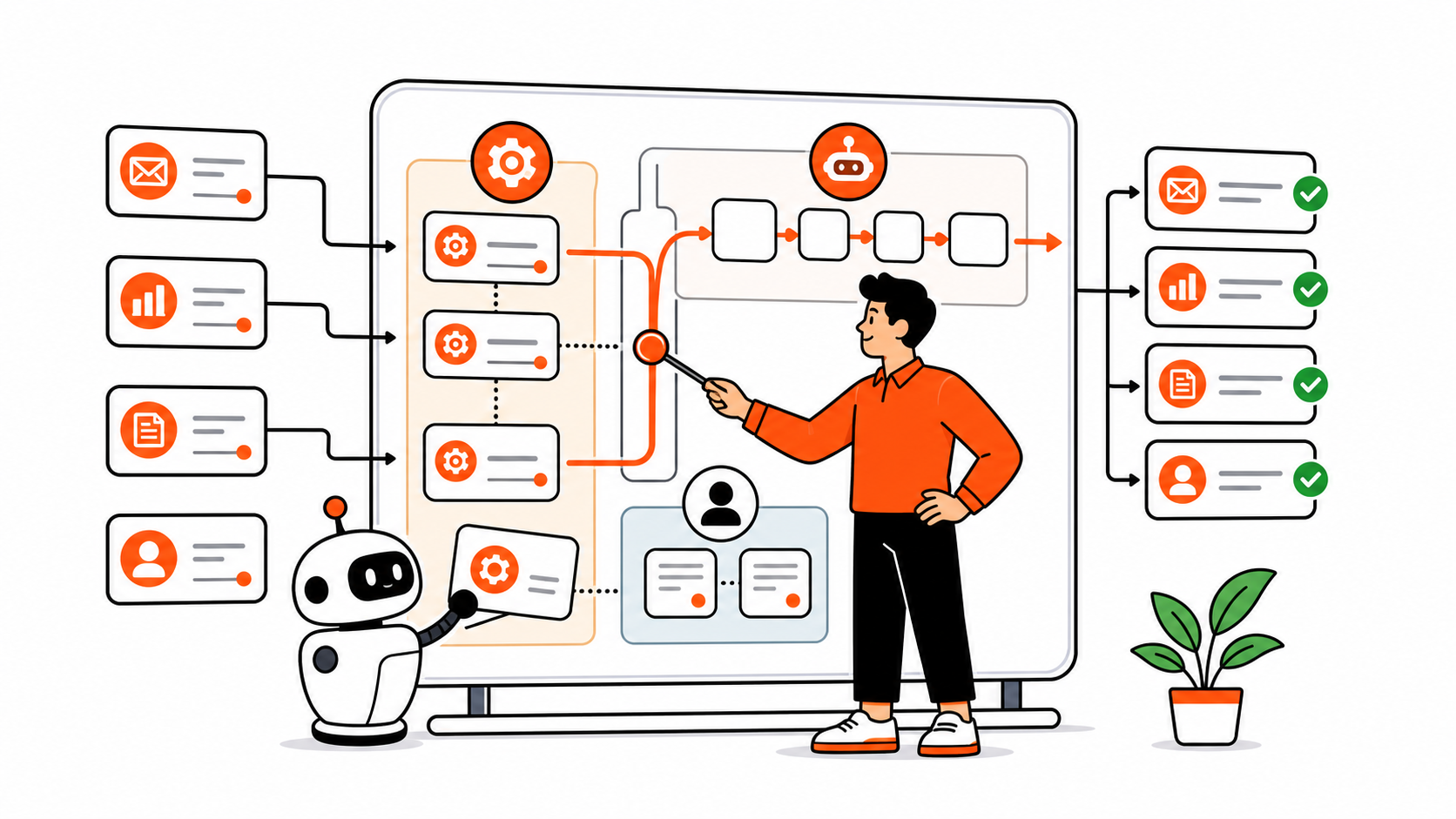
Tools like n8n’s AI Agent node and AI by Zapier make this practical because AI can sit inside a workflow instead of living in a separate chat window. That matters. The useful version of AI in operations is not a magic chatbot. It is a small step inside a process you can inspect.
Where Operators Still Matter
AI can draft. It can sort. It can summarize. But it does not automatically understand your business judgment.
A good operator still decides what should happen when a customer is angry, a vendor is late, the data looks wrong, or the standard process does not fit the situation. That is not just admin work. That is context, risk, and taste.
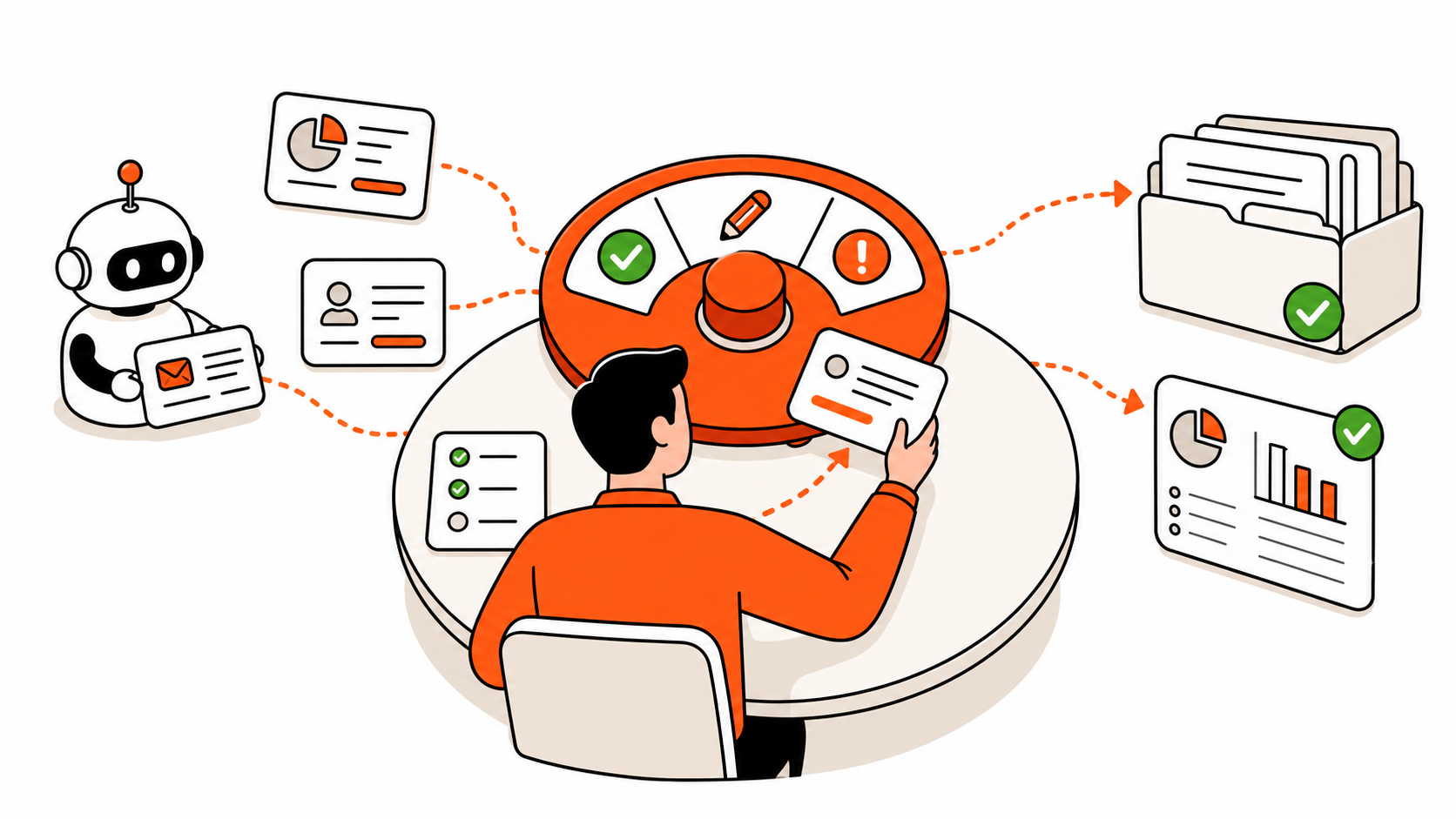
This is the part I would protect: decision quality. If AI writes a customer reply, a human should approve it before it goes out. If AI updates a CRM record, the workflow should be limited to fields that are safe to change. If AI summarizes a report, the operator should still know how to spot a bad number.
Zapier’s Human in the Loop feature is a good example of the direction this is going: the automation can pause so a person can review before the workflow continues. n8n also supports human review patterns for gated tool use. That is the practical middle ground.
The Simple Workflow I Would Build
If I were an operator worried about AI replacing my job, I would build one small workflow this week:
- Pick one repetitive task, like daily inbox triage or weekly report notes.
- Let AI create the first draft or classification.
- Add a human review step before anything customer-facing or permanent happens.
- Track mistakes for two weeks and tighten the prompt, rules, or handoff.
The Real Risk
The risk is not that AI takes every operations job. The risk is that one operator who knows how to use AI can handle the workload of two or three operators who are still doing everything manually.
So yes, operators should pay attention. But panic is not useful. The better move is to become the person who can map the process, choose the right automation, review the output, and explain where the human checkpoint belongs.
That operator is not easy to replace. That operator is the one companies will ask to rebuild the way work gets done. The practical goal is not to make Operations AI replace the operator. The goal is to let Operations AI handle repeatable drafts while the operator owns judgment, customer context, and the final decision. For a related internal workflow, read DigiDaddy’s Claude AI operations guide and use the same rule: AI drafts, humans decide.